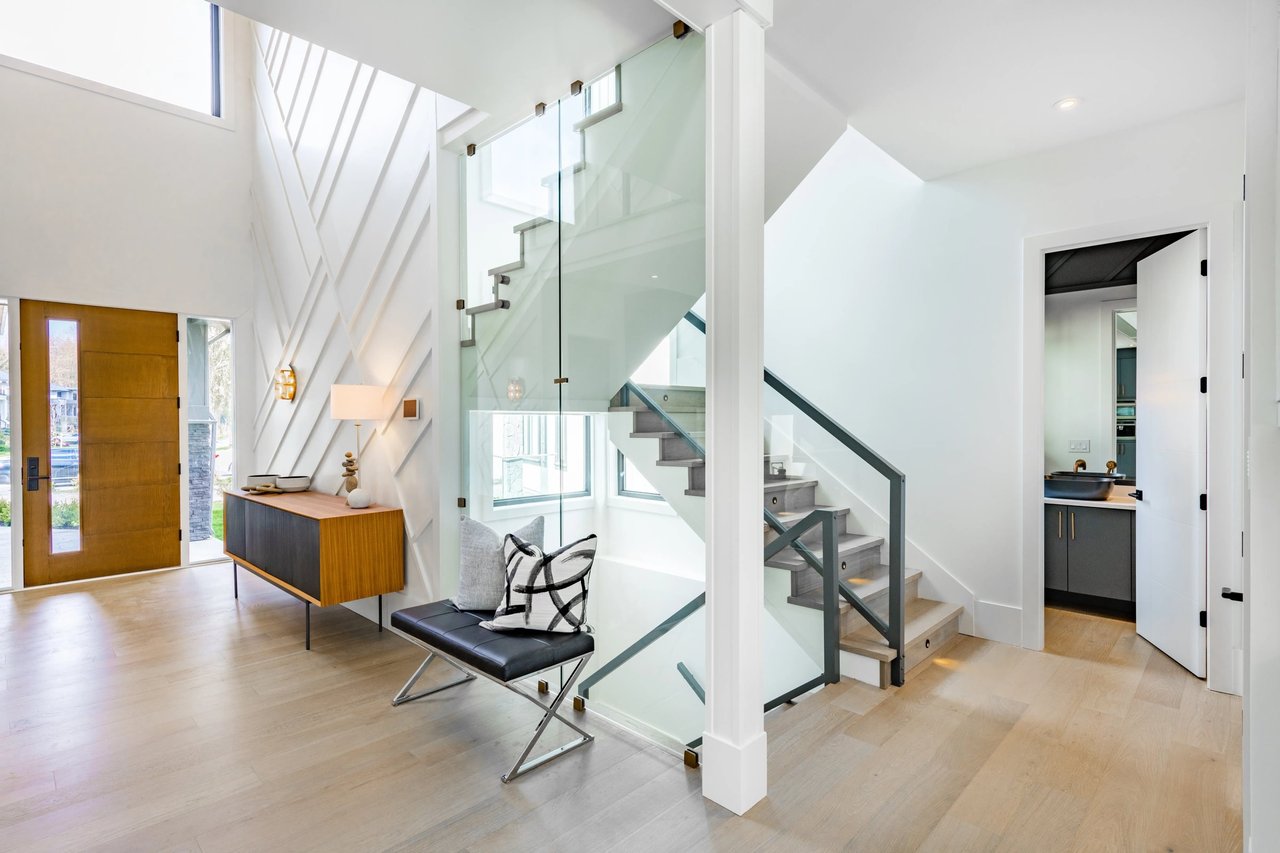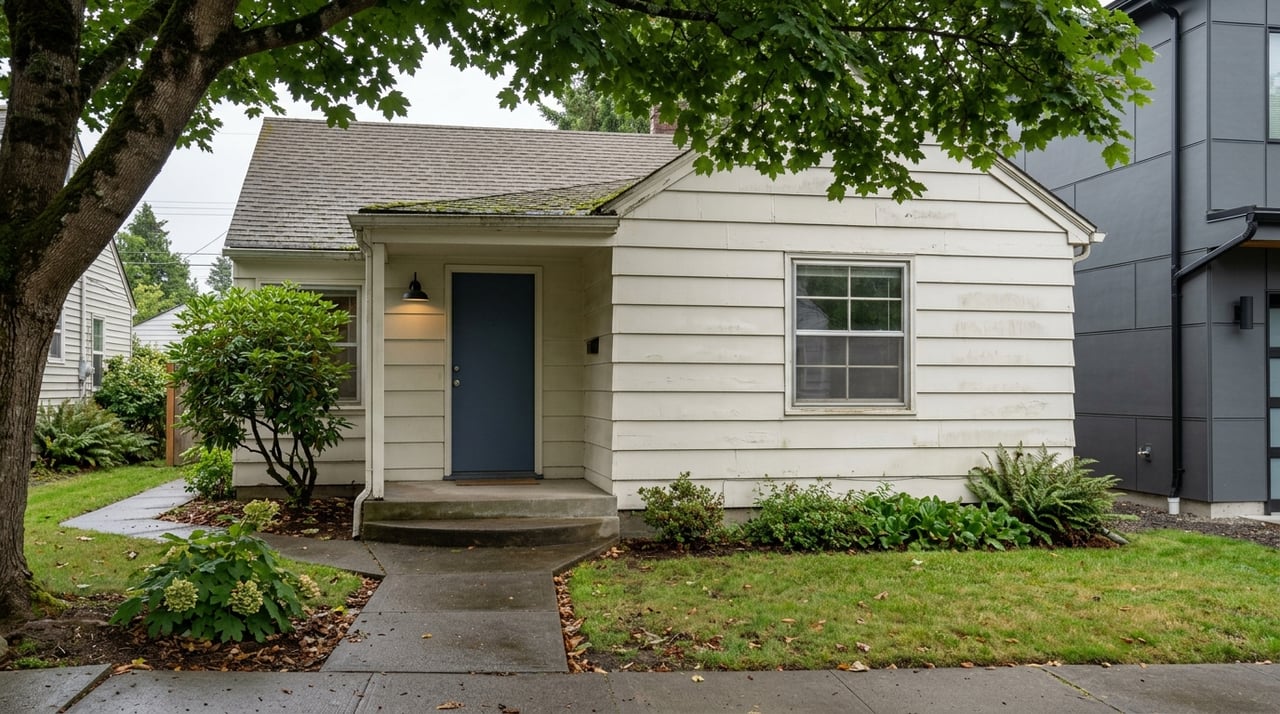
If you have ever looked at a Kirkland property and thought, there might be more potential here than the listing shows, you are probably right. Some of the best remodel and new-build opportunities are not obvious at first glance, especially in a market where lot shape, zoning, trees, and permit timing can change the math quickly. This guide will help you spot the signs of upside, understand where the risk usually hides, and evaluate properties in Kirkland with more confidence. Let’s dive in.
Why Kirkland stands out
Kirkland’s long-range planning framework matters if you are looking at remodel, infill, or redevelopment potential. The city’s 2044 Comprehensive Plan is the basis for zoning, development regulations, and environmental review, which means it directly affects what may be possible on a given parcel.
Today, Kirkland allows four units per lot in all residential zones, six units per lot within one-half mile of a major transit stop, and up to two ADUs per residential property. At the same time, the city says new single-family homes are still allowed, so the opportunity set can include a remodel, an addition, an ADU strategy, middle housing, or a full replacement home depending on the site.
That is why two homes with similar square footage can have very different long-term value. In Kirkland, the land and site constraints often matter just as much as the house itself.
Start with zoning and site screens
Before you get excited about finishes or layout, start with the parcel. Kirkland’s officially adopted zoning map and GIS portal are the first tools to check because they show current zoning designations and key site layers that can affect feasibility.
The GIS portal includes zoning, critical areas, sensitive areas, shoreline designations, topography, landslide hazard, liquefaction, water and sewer service areas, and parcel data. The city notes that some boundaries are approximate and not surveyed, so this is a screening step, not a final determination.
Check what the lot may allow
A property that looks like a simple fixer can sometimes support more than a standard remodel. Depending on the parcel and location, you may be looking at options such as:
- A light or full remodel of the existing house
- A replacement single-family home
- One or two ADUs on the property
- Middle housing where allowed under current rules
- A unit lot subdivision if the parcel and design fit the requirements
The next step is reading the property-specific density and dimensions table for setbacks, height, lot coverage, and density. Those details can shape whether your idea is realistic or just expensive.
Watch for shoreline and critical areas
Some of Kirkland’s most appealing lots also need the most careful review. If a property is waterfront or near environmentally sensitive areas, you should screen for shoreline and critical-area issues early.
The city says properties within 125 feet of streams and 300 feet of wetlands should be assessed by a qualified professional. Shoreline setback standards also vary by area and parcel depth, so waterfront parcels need extra attention before you treat them as straightforward redevelopment plays.
Spot the lot clues that hint at upside
Once zoning looks promising, focus on the lot itself. A good opportunity often shows up in the gap between what is there now and what the site may support.
King County property research tools can help you verify lot size, legal description, present use, utility details, number of buildings, square footage, and age. That information often gives you the first clear signal of whether a property leans more toward cosmetic improvement, major renovation, or teardown and rebuild.
Physical features that can change the deal
In Kirkland, these site traits deserve a close look:
- Lot size and shape
- Street access and layout
- Existing building footprint
- Topography and slope
- Water, sewer, or septic details
- Tree canopy and large specimen trees
These are not just background details. They can affect what is legal, what is practical to build, and how long approvals may take.
Trees matter more than many buyers expect
Trees are a major redevelopment factor in Kirkland. The city says regulated tree removal requires approval for trees 6 inches DBH or larger, and it recommends early arborist involvement when a site has many trees, groves, or large specimens.
That does not mean a tree-heavy lot is a bad opportunity. It does mean you should underwrite added design constraints, possible removal limits, and extra time for review instead of assuming the lot is fully flexible.
Use age and permit history wisely
A home’s age alone does not tell you whether to remodel or rebuild. What matters more is the combination of age, condition, existing layout, recorded square footage, and permit history.
Kirkland specifically advises applicants to research tax records, permit history, and assessment records before starting a permit application. For buyers, that is a smart early filter because it can reveal whether a home has an outdated footprint, prior work that affects your plans, or signs that the existing structure may still be worth improving.
Remodel or teardown?
A remodel opportunity often looks stronger when:
- The existing structure is functionally usable
- The footprint works with your goals
- Utility connections are already favorable
- The site has fewer major environmental or tree constraints
A teardown or replacement build may look more attractive when:
- The existing house is obsolete for the lot’s potential
- The layout creates major limits that are costly to fix
- Zoning and lot dimensions support a better long-term use
- The value is clearly in the land rather than the structure
This is where careful property screening matters most. A house that looks dated can still be a strong remodel candidate, while a larger house on paper may be a poor fit if the lot carries hidden constraints.
Factor permit timing into your numbers
One of the biggest mistakes buyers make is focusing on purchase price without respecting the timeline. In Kirkland, permit timing is highly site-dependent, and that can change your carrying costs and project risk.
The city requires permits before constructing, enlarging, altering, repairing, moving, or demolishing most buildings or systems. Applications go through MyBuildingPermit.com, and the city emphasizes early research before design and submittal.
Review speed depends on the site
Kirkland says review timing depends on plan completeness, site conditions, staff workload, how quickly comments are answered, and the extent of work proposed. For qualifying projects, Fast Track review can take about 2 weeks and Express review can take about 1 week. Projects outside those categories go through regular review.
That sounds simple until site conditions complicate the file. Parcels near regulated slopes, wetlands, streams, high landslide areas, or moderate landslide and seismic hazard areas may lose fast-track eligibility and may need a geotechnical report.
Teardowns usually take more coordination
A teardown is rarely just a demolition date on the calendar. Kirkland’s demolition permit process may involve tree fencing, an environmental checklist in sensitive areas, a rodent baiting program that can take 2 to 6 weeks, asbestos notification to the Puget Sound Clean Air Agency, side-sewer capping, septic retirement, and water meter disconnection or removal.
That means teardown projects often carry more schedule risk than buyers expect when they first compare listing prices. If you are evaluating redevelopment potential, this is one of the first places to build in extra time.
Understand unit lot subdivision timing
For some Kirkland properties, unit lot subdivisions can create another path to value. But this is not a shortcut strategy.
Kirkland says unit lot subdivisions require preliminary project review and may also need a land surface modification permit or building permits for individual units. Final lots can only be recorded after the homes are built or after the relevant permits are approved and ready for issuance, so timing and sequencing matter.
If a property seems attractive because of future lot creation, make sure you are evaluating the full process, not just the headline idea.
A practical Kirkland screening checklist
If you want a cleaner way to sort opportunities quickly, use this checklist before you get too far into pricing or design ideas:
- Confirm the parcel’s zoning and any overlay on Kirkland’s zoning map and GIS portal.
- Read the property-specific density and dimensions table for setbacks, height, lot coverage, and density.
- Pull King County parcel data to verify lot size, utilities, building age, and number of structures.
- Review Kirkland permit history and assessment records.
- Screen for wetlands, streams, shoreline rules, slopes, liquefaction, and landslide hazards.
- Evaluate tree impacts early, especially if there is heavy canopy or large trees.
- Build extra time into your feasibility period for survey, arborist, geotechnical, demolition, utility, and permit coordination.
- Treat access, lot shape, and existing footprint as financial variables, not just physical details.
This kind of due diligence does not just protect you from bad deals. It also helps you recognize the properties that other buyers may overlook because the opportunity is not obvious from the photos.
Where buyers often get tripped up
In Kirkland, many missed expectations come down to assumptions. A buyer assumes a large lot can easily be redeveloped, assumes an older house should be torn down, or assumes permit timing will be quick because the project seems straightforward.
The reality is more site-specific. Trees, environmental conditions, dimensional standards, utility details, and permit path can all reshape the project. The best opportunities are usually the ones where the numbers, legal path, and timeline all line up together.
Why local guidance matters
This is where experienced, local representation can save you time and money. If you are looking at remodels, land plays, or new-build opportunities in Kirkland, you need more than a property tour and a price opinion.
You need a clear screening process, realistic timeline expectations, and someone who can help coordinate the moving pieces. That includes evaluating upside, flagging risk early, and helping you decide whether a property is worth pursuing before you commit too much time or capital.
At Tarek Moghrabi Realty Group, that is part of the value we bring to investor-minded buyers and clients exploring development or renovation opportunities across the Eastside. We keep the process straightforward, hands-on, and grounded in the realities of the property.
If you are considering a Kirkland remodel, teardown, or new-build purchase, Tarek Moghrabi can help you evaluate the opportunity and build a smarter plan from the start.
FAQs
What makes a property in Kirkland a good remodel opportunity?
- A strong remodel candidate often has a usable structure, a workable footprint, favorable utilities, and fewer site constraints related to trees, slope, shoreline, or critical areas.
What should you check first before buying land or a fixer in Kirkland?
- Start with zoning, overlays, parcel data, permit history, and GIS screening for critical areas, shoreline rules, topography, and hazard layers.
How many units may be allowed on a residential lot in Kirkland?
- Kirkland allows four units per lot in all residential zones, six units per lot within one-half mile of a major transit stop, and up to two ADUs per residential property, subject to site-specific rules.
How long can permit review take for a Kirkland project?
- Timing depends on the project and site conditions. The city says qualifying Fast Track reviews can take about 2 weeks, Express reviews can take about 1 week, and other projects go through regular review.
Why do trees matter so much for redevelopment in Kirkland?
- The city requires approval for removal of regulated trees that are 6 inches DBH or larger, and significant tree cover can affect design, costs, and timing.
What can slow down a teardown project in Kirkland?
- Common delays include demolition-related approvals, tree fencing, environmental checklist requirements, rodent baiting, asbestos notification, utility disconnection, side-sewer capping, and septic retirement when applicable.