If you want an urban lifestyle on the Eastside, Downtown Bellevue is usually at the top of the list. It gives you a rare mix of high-rise living, walkable daily errands, major employers nearby, and easy access to parks and transit. If you are wondering whether it feels more like a true city center or just a business district with condos, this guide will help you picture day-to-day life. Let’s dive in.
Downtown Bellevue lifestyle
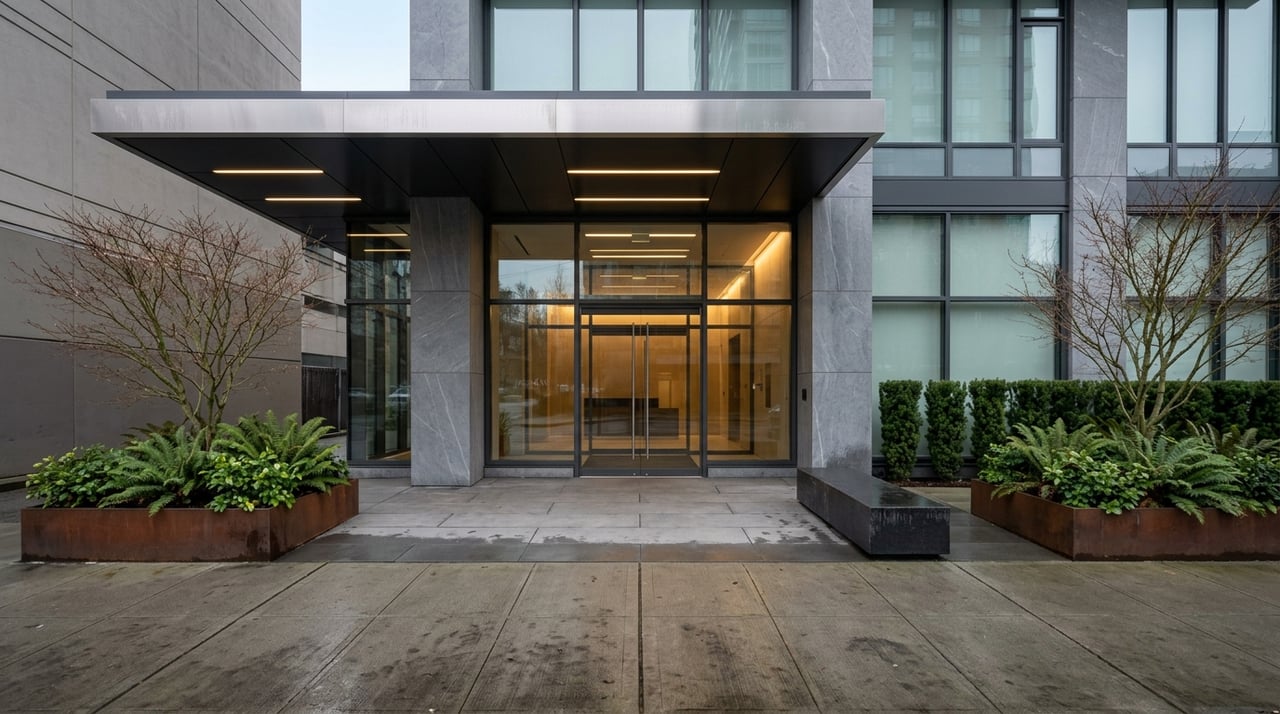
Downtown Bellevue is the city’s primary economic and employment center, and it is also Bellevue’s fastest-growing residential neighborhood. City materials describe it as a dense, mixed-use urban center that functions as the heart of the Eastside. In practical terms, that means you get a skyline, active streets, office towers, retail, dining, and residential buildings all in one area.
Downtown is not a detached-home neighborhood. City information describes the area as 100% multifamily, with apartments, condos, and affordable housing units. If you are considering living here, you should expect a vertical, urban lifestyle rather than a traditional single-family setup.
For many buyers and renters, that is exactly the appeal. You can live close to restaurants, shopping, parks, and work, while still being in Bellevue rather than Seattle proper. The result is a polished, amenity-rich environment that feels planned and efficient.
Housing in Downtown Bellevue
Most housing in Downtown Bellevue is in mid-rise and high-rise buildings. The neighborhood presentation cited by the city notes about 10,750 households in the downtown neighborhood area, and the housing stock is fully multifamily. That creates a housing experience centered on condos, apartments, and mixed-use buildings with street-level services.
If you are moving from a suburban part of the Eastside, this can feel like a big shift. You may trade a yard and more interior square footage for walkability, building amenities, and proximity to daily conveniences. For many busy professionals, that trade can make everyday life simpler.
The city is also actively planning for more housing and mixed-use growth through ongoing work such as Downtown Livability 2.0 and HOMA. That matters if you are thinking long term, because Downtown Bellevue is still evolving. You are buying or renting into an area that the city continues to shape as a major urban center.
Walkability and getting around
One of Downtown Bellevue’s biggest strengths is how easy it is to move around without relying on your car for every trip. Bellevue’s planning efforts for downtown continue to prioritize pedestrian, bicycle, and transit mobility. At the same time, the area remains close to major regional routes like SR-520, I-405, and I-90.
That combination is hard to find. You can handle many day-to-day needs on foot, but still have strong regional access when you need to head to other parts of the Eastside or Seattle. For people balancing work, errands, and social plans, that convenience is a major quality-of-life factor.
The Grand Connection is a good example of how the city is trying to improve the downtown experience. It links Meydenbauer Bay Park through Old Bellevue and Downtown Park toward Eastrail, with a focus on public space, mobility, and placemaking. Over time, projects like this help downtown feel more connected and easier to navigate on foot.
Light rail and bus access
Bellevue Downtown Station is located at 594 110th Ave NE next to the Bellevue Transit Center. Sound Transit says the full 2 Line across Lake Washington opened on March 28, 2026. Current service generally runs from about 5 a.m. to 1 a.m. Monday through Saturday and 6 a.m. to midnight on Sunday, with trains about every 8 minutes at peak times and about every 10 to 15 minutes during the rest of the day.
That level of service makes transit a real option for many downtown residents. Multiple bus routes also feed the station, which adds flexibility if your routine includes more than one destination. If you want a car-light lifestyle, Downtown Bellevue is one of the more practical Eastside locations for it.
Still, a car can remain useful. If your routine includes regional recreation, regular trips outside the Eastside, or destinations not well served by transit, having one may still make life easier. The difference is that you may not need to use it every day.
Shopping and dining nearby
Downtown Bellevue has one of the strongest retail cores on the Eastside. The Bellevue Collection is the area’s main shopping anchor, with more than 200 retail stores, dining options, year-round events, and sky-bridge connections. It also offers 12,000 free parking spaces, which keeps it convenient even when you are not walking from home.
The Shops at The Bravern and Avenue Bellevue add more retail and dining choices and reinforce downtown’s upscale identity. If you enjoy having polished shopping, restaurants, and services close by, this is one of the clearest lifestyle advantages of living downtown. You are not driving across town for basics or for a night out.
This also shapes the feel of the neighborhood. Downtown Bellevue tends to feel retail-forward and amenity-rich, with a newer and more curated atmosphere than older city centers. For some people, that feels comfortable and convenient right away.
Parks and outdoor space
Urban living works better when you have outdoor space nearby, and Downtown Bellevue delivers more than many people expect. Bellevue Downtown Park is a 21-acre central park with a promenade, waterfall, lawn, playground, and room for community events. It gives downtown a strong outdoor anchor and a place to reset in the middle of a dense area.
Meydenbauer Bay Park adds a very different kind of access to nature. It offers Lake Washington access through a beach, pier, marina, and waterfront connections, and it serves as the western anchor of the Grand Connection. For residents, that means downtown living is not just about towers and storefronts. You also have meaningful access to green space and the waterfront.
This balance is part of what makes Downtown Bellevue stand out. You get a more urban housing pattern, but parks and public spaces remain part of daily life. That can make a downtown home feel more livable over time.
Arts, events, and culture
Downtown Bellevue’s cultural scene is centered more on venues and events than on a large museum district. Meydenbauer Center Theatre seats 410 and hosts live performances. City programming tied to public spaces and the Grand Connection is also designed to activate downtown with art, gathering areas, and community use.
That means the experience here is less about major cultural institutions on every block and more about a steady mix of performances, events, and public-space activity. If you are comparing it with Seattle, this is an important distinction. Downtown Bellevue offers a more streamlined, planned urban experience rather than a larger historic entertainment core.
For many residents, that is enough. You can enjoy local events and performances close to home while still having regional access when you want more nightlife, sports, or larger cultural venues.
How Downtown Bellevue feels day to day
On a normal day, living in Downtown Bellevue can feel efficient. You might walk to coffee, take care of errands nearby, meet friends for dinner, spend time in Downtown Park, and use transit or nearby highways to get where you need to go. The neighborhood is built around that kind of convenience.
It also tends to appeal to people who value newer buildings and a more polished urban setting. Compared with older downtowns, Bellevue’s core often feels more planned, more residentially integrated, and more closely tied to retail and office uses. If that sounds like your style, it can be a strong fit.
At the same time, it helps to be realistic about what it is not. It is not the place to look for a classic single-family neighborhood feel in the core. It is also not as large or entertainment-heavy as downtown Seattle.
Downtown Bellevue vs downtown Seattle
If you are deciding between Bellevue and Seattle, the clearest way to think about Downtown Bellevue is that it is the Eastside’s urban core. It is walkable, transit-connected, high-rise, and full of amenities. It also has a newer skyline and a more purpose-built feel.
Downtown Seattle is much larger, with more residents, more jobs, and broader cultural and entertainment density. Bellevue is smaller and more condensed in its identity. In practical terms, Bellevue often feels more condo- and retail-oriented, while Seattle offers a wider range of nightlife, sports, and historic urban character.
Neither is automatically better. It depends on how you want to live. If you want an urban environment with strong Eastside access, modern housing, and a cleaner, more planned feel, Downtown Bellevue often checks those boxes well.
Who Downtown Bellevue fits best
Downtown Bellevue can be a strong fit if you want to simplify your routine and stay close to major Eastside job centers, shopping, dining, parks, and transit. It often appeals to buyers and residents who value convenience, newer housing, and the ability to do more without a long drive. For relocation buyers especially, it can offer an easier landing if you want an urban lifestyle without jumping straight into Seattle.
It may be less ideal if you want a detached home, quieter low-density streets, or a neighborhood where the residential feel outweighs the commercial one. In that case, nearby Bellevue neighborhoods may fit better. The key is matching the neighborhood to how you actually want to live, not just how it looks on a map.
If you are weighing Downtown Bellevue against other Eastside or Seattle-area options, having local guidance helps. The right fit depends on your commute, housing goals, budget, and how much walkability and urban convenience matter in your daily routine. If you want help sorting through those tradeoffs, Tarek Moghrabi can help you compare options and make a confident move.
FAQs
What type of housing is in Downtown Bellevue?
- Downtown Bellevue is made up of multifamily housing, including apartments, condos, and affordable housing units, with a mostly mid-rise and high-rise residential feel.
Is Downtown Bellevue walkable for daily life?
- Yes. Downtown Bellevue is designed as a mixed-use urban center, and city planning emphasizes walking, biking, and transit alongside close access to shopping, dining, parks, and services.
Does Downtown Bellevue have light rail access?
- Yes. Bellevue Downtown Station connects downtown to the 2 Line, and Sound Transit reports frequent service plus bus connections at the nearby Bellevue Transit Center.
Are there parks in Downtown Bellevue?
- Yes. Bellevue Downtown Park and Meydenbauer Bay Park are two major public spaces nearby, offering lawns, trails, waterfront access, and room for events and everyday outdoor time.
How does Downtown Bellevue compare with downtown Seattle?
- Downtown Bellevue is smaller, newer, and more purpose-built as the Eastside’s urban core, while downtown Seattle offers greater size, more nightlife, and broader cultural density.
Is Downtown Bellevue a good fit for buyers who want an urban lifestyle on the Eastside?
- It can be, especially if you want condo or apartment living, walkability, strong retail and dining access, and easier access to Eastside job centers and transit.